

The Only Bad CPR Is No CPR
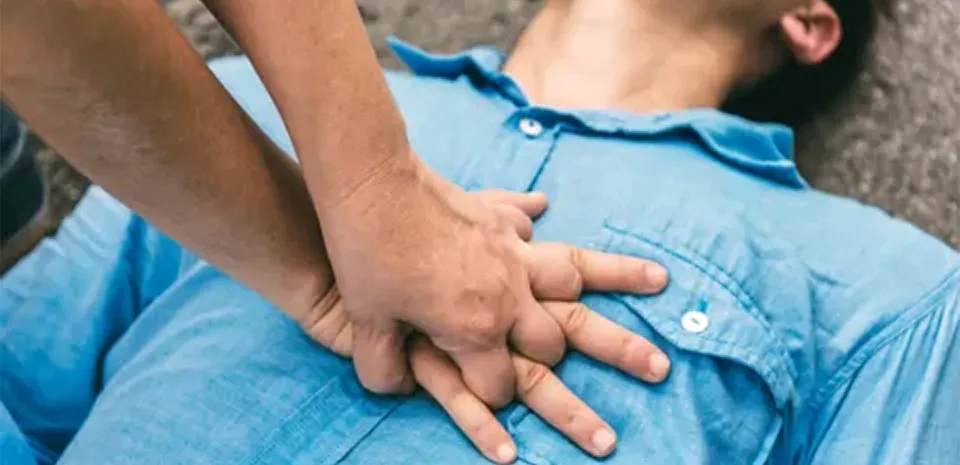
Immediate bystander cardiopulmonary resuscitation (CPR) is the single most important factor in the survival of cardiac arrest. Without it, the chances of EMS saving a victim's life decrease with every minute. Saving lives is in your hands.
Facts About Cardiac Arrest
- Most sudden cardiac arrests occur at home and are witnessed by friends and family.
- Most sudden cardiac arrests don't receive life-saving CPR until emergency medical services arrive.
- 911 dispatchers can help guide bystanders in CPR.
- Automatic external defibrillators (AED) can save lives if applied as soon as possible after a cardiac arrest. The defibrillators provide simple verbal guidance and direction in their use. Thousands of lives have been saved with AEDs by untrained bystanders.
Take Action With Bystander CPR
Hands-only CPR uses continuous cardiac compressions without rescue breathing. If someone collapses and you cannot wake them up:
- Call 911 and place the dispatcher on speakerphone.
- Ask others if there is a defibrillator nearby.
- Start CPR in the center of the chest, pushing down 2 inches.
- Push down and release to the beat of the song "Staying Alive."
The American Red Cross offers many CPR and first aid classes.
Other related articles by:
Automatic external defibrillators | bystander CPR | cardiac arrest | CPR | first aidNote: The content of this blog is for informational purposes only. It is not intended for use as diagnosis or treatment of a health problem or as a substitute for the professional consultation of a physician or qualified health care provider. If you have specific questions or concerns regarding a health or medical condition, contact your physician or a licensed health care professional.
You May Be Interested In
AEDs Save Lives
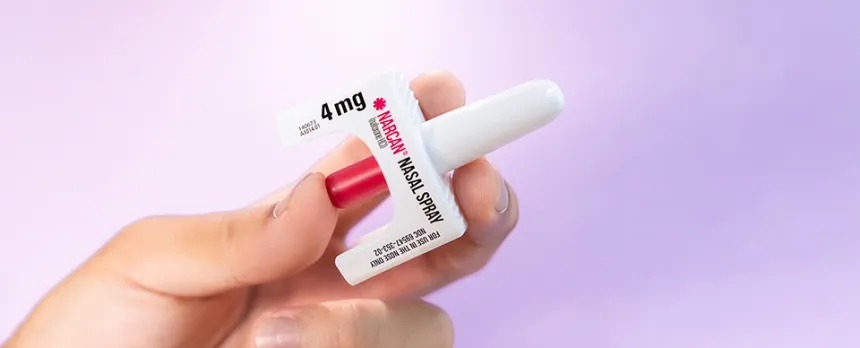
In an Overdose, Narcan Can Save a Life
You don’t have to be addicted to opioids to die from an overdose. It can happen to anyone taking an opioid for pain or misusing a prescription. Knowing what to do (use Narcan) and how to do it can save a life.
In 2021, more than 106,000 people died of...
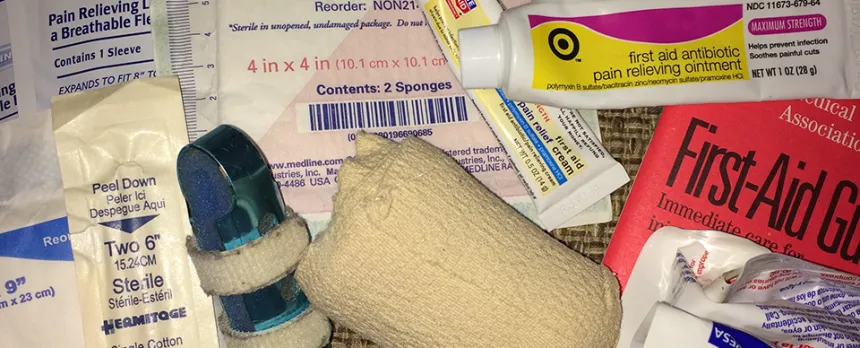
Prepare Your Home First-Aid Kit
Cuts, and scrapes, and bruises, oh my! When it comes to common household injuries, it's best to be prepared by keeping all your home medical supplies all in one spot. Your first-aid kit could be a cardboard box, a tackle box, or a pre-packaged kit, but all should contain some...